
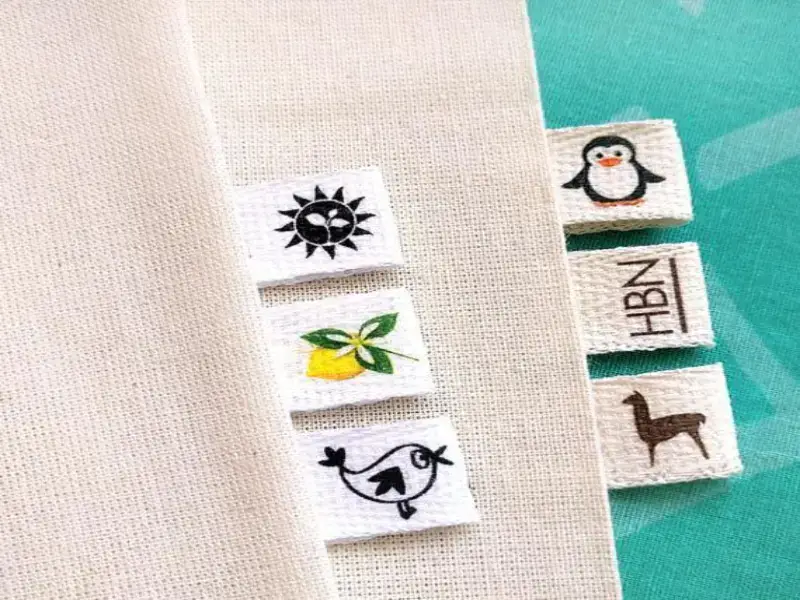
Why Custom Woven Labels Are Better Than Printed Tags
Small details make a huge difference when it comes to choosing textile products. If you’ve ever reached for a high-end vintage jacket or a boutique sweater, your hand instinctively goes to the back of the neck. Every customer starts searching for that small rectangle of fabric that tells you who made the garment and where it came from. In that split second, before they even check the price tag, they’ve already made a judgment about the quality of the item.
While printed tags are often the quick and easy choice, woven labels are the gold standard for anyone serious about building a lasting brand. Continue reading to find out why they are a superior choice for your clothing line.
Why You Need To Choose Woven Labels Over Printed Tags?
In the world of apparel and branding, tiny details carry the heaviest weight. While there are many ways to brand a garment, the best option often comes down to two contenders: custom woven labels and printed tags.
But what are the core reasons that customized woven labels Canada are considered an ideal choice for establishing a lasting brand identity? Keep reading to find out!
1. Durability- Built to Last as Long as the Garment
The most practical reason to choose woven over printed is the longevity factor.
- Printed Tags: These are crafted by applying ink to the surface of a ribbon (usually polyester, cotton, or satin). The problem begins when, with every trip through the washing machine and every tumble in the dryer, that ink begins to degrade. After ten washes, your logo looks like a faded memory. After fifty, it’s a blank white strip!
- Woven Labels: The word printed doesn’t exist over here. Your logo and text are actually part of the fabric itself, created by interlacing different colored threads on a loom. Because the design is structural, it cannot wash off, crack, or peel.
If you want your brand name to be visible five years from now, when a customer pulls that shirt out of the closet, woven is the only way to go.
2. The Premium Perception
A customer cares about something they feel. They associate certain textures with luxury and others with fast fashion.
Printed tags feel the same as mass-produced, disposable clothing. They feel thin and fail to produce that luxurious feeling that comes with woven labels.
On the other hand, woven labels have a physical dimension. They have a slight weight to them. When a customer feels a woven label, they subconsciously register that the brand invested more money into the finishing touches!
3. Comfort and the Itch Factor
The first thing a customer does after purchasing a shirt? They are reaching for the scissors because the tag starts scratching their neck. An uncomfortable tag can actually ruin the experience of wearing a great product.
Most of the people think woven labels for brands are the culprits of the itchy tag. However, it’s actually usually the cut and material of the tag that causes the problem.
Here is what happens:
| Printed tags | Woven labels |
| Low-end printed tags are often made of stiff nylon that feels like plastic. | High-quality woven labels use ultrasonic cutting. |
| When those edges are heat-cut, they become sharp and jagged. | This leaves the edges incredibly soft and smooth against the skin. |
By choosing a woven label with finished edges, you provide a comfortable experience that ensures the customer doesn’t cut your branding off the second they get home!
4. Design Precision and Professionalism
There is a certain crispness that comes with the woven label that printing struggles to replicate on fabric.
| Woven labels | Printed tags |
| Uses dyed threads in which the colours are vibrant and consistent. | Printed inks can sometimes bleed into the fabric of the tag, which makes small text hard to read. |
- Manufacturing Duration
The manufacturing times differ significantly. Here is how long it takes for both of them:
| Woven labels | Printed tags |
| Demands long production times | Quick turnaround times |
Comparison at a Glance- Woven vs. Printed
Let’s take a quick overview of both types.
| Features | Custom woven labels | Printed tags |
| Longevity | Excellent (Lifetime of garment) | Poor (Fades over time) |
| Texture | Soft, textured, high-end | Smooth, plastic-like, flat |
| Customization | High (Thread colors, weaves) | High (Unlimited colors) |
| Cost | Slightly higher initial cost | Low (Good for high volume) |
| Value Addition | High (Boosts brand prestige) | Low (Seen as a budget-friendly option) |
What Is The Impact Of Custom Woven Labels On Sustainability and Brand Ethics?
Today’s consumer is more conscious than ever about where their clothes come from! They look for signs that a brand cares about craftsmanship over the manufacturing process.
Printed tags often use chemical inks and solvents that can be harsh on the environment. Customized woven labels Canada, particularly those made from recycled polyester threads or organic cotton, align much better with the slow fashion movement.
They signal that the garment isn’t intended to be thrown away after one season; they should be kept forever!
How Versatile Are Woven Labels?
Woven labels aren’t just for the neck of a shirt. Their durability makes them the perfect choice for
- External Branding for hem tags on the bottom of a t-shirt or the cuff of a beanie
- Accessories such as bags, hats, and even shoes
- Outerwear such as heavy jackets that face rain, wind, and snow
FAQs
- Are woven labels more expensive?
Initially, yes. The setup for a loom is more involved than that of a printer. However, when you consider the value they add to the garment and the fact that they don’t need to be replaced, the cost per wear is significantly better.
- What is the best material for a woven label?
Damask is the industry standard. It uses thinner threads and a tighter weave, allowing for high detail and a very soft feel that makes the garments feel extremely luxurious as well!
- Can I get my logo exactly right?
Most woven label manufacturers can match Pantone colours very closely using a wide palette of thread colours. While you can’t do fades or glows as easily as printing, the solid-colour results are much more striking.