
How To Make Sew-On Patches Last Longer On Any Fabric
You stitched it on carefully. Washed it once, maybe twice, and now it’s peeling at the corners or hanging loose on one side.
That’s not a patch problem. That’s a process problem, and it’s easier to fix than most people think.
Sew-on patches are built to last for years. Sometimes they last longer than the fabric they are on. But small things like thread type, stitch length, and how you wash the garment make a bigger difference than they should.
Here’s exactly what keeps patches locked in place through washing, daily wear, and everything in between.
Why Do Patches Fall Off in the First Place?
Most patches don’t fail because of bad luck. They fail because of three very specific things. Once you know them, it becomes easier for you to take care of your crests.
1. The wrong thread
Rayon thread looks great in the shop. It’s shiny, it’s smooth, and it breaks down faster than you’d expect. Polyester thread is less glamorous, but it handles heat, tension, and repeated washing without weakening. If you’re sewing on a patch you want to keep, polyester is the only real choice.
2. Skipping the edges
A lot of people stitch through the middle of a patch and call it done. But the edges are where everything starts to go wrong. Without reinforcement along the border, the fabric underneath begins to fray, the corners lift, and within a few washes, you’re back to square one. It’s an extra ten minutes that saves the whole thing.
3. Hot water in the wash
Heat loosens thread tension over time. Washing on a hot cycle, even once, can start undoing stitches you can’t even see yet. Cold water, gentle cycle. That’s it.
Quick comparison worth knowing: iron-on patches typically survive 15–20 washes before they start lifting. A properly sewn patch? It can outlast the garment itself. That gap is why sewing always wins for anything you actually wear regularly.
The good news is none of this is complicated. It’s mostly about slowing down a little and making the right small choices, starting with the patch itself.
Choosing The Right Patch
It Starts With the Patch Itself
Here’s something most people skip entirely: the patch you pick before you even thread a needle decides how long everything holds up. Stitching technique matters, but if the patch is low-quality to begin with, no amount of careful sewing can save it.
Embroidered Vs Printed
This is the biggest one. Printed patches fade and crack, usually within a year or two of regular washing. Embroidered patches are a different story. The design is stitched directly into the fabric, so it holds color and shape for 5 to 10 years without much fuss. If longevity matters to you, embroidered is the only way to go.
What To Look For In The Base Fabric
Twill or cotton base holds stitches far better than synthetic alternatives
Dense edge stitching on the patch itself, before it even reaches you, stops fraying from the start
A sew-on backing (versus iron-on) gives you a cleaner foundation to work with
If you’re ordering custom made patches, ask the supplier specifically about thread type and backing options. Most people don’t think to ask, but those two details quietly determine how the patch holds up six months down the line.
When you decide to make your own sew-on patches, you control all of this from the start: fabric choice, thread density, and edge finish. That’s actually a big advantage over buying something pre-made and hoping for the best.
Stitching Techniques
How You Sew It Is Everything
This is where most people either get it right or quietly set themselves up for failure. The good news, it’s not complicated. A few deliberate choices here and the patch stays put for years.
Start With The Right Thread
Polyester thread is what you want. It doesn’t shrink, it handles repeated washing without weakening, and it holds tension better than rayon over time. It’s not the flashiest option on the shelf, but it’s the one that’s still doing its job two years from now.
Pick Your Stitch Based On What You Need
Backstitch — the strongest option, best for patches taking real wear
Blanket stitch — adds a clean, decorative border while still holding firm
Running stitch — great as a quick edge guard to stop early fraying
Any of these works. What doesn’t work is long, loose stitching because short, tight stitches are what actually stop a patch from pulling away from the fabric or unraveling at the edge.
Pay Extra Attention To Corners
Corners take the most stress, from folding, from washing, and from daily movement. Go over each corner two or three times. It takes an extra minute and makes a real difference.
Common Mistake
Sewing too loosely because you’re rushing. Wide stitches look fine at first — but they’re the first to snap in the wash, usually right at a corner.
When you make your own sew on patches, you control stitch density from the start. That’s a genuine advantage. You are not hoping someone else made the right call before it reached you.
Patching Hats
Hats Are a Different Game
Flat fabric is forgiving. A hat isn’t. The curve, the structure, the stiff brim, all of it makes patching a hat a slightly different job, and treating it like a regular garment is usually where things go wrong.
The sewing part comes first. A regular needle fights the curve. A curved needle moves with it. If you’re sewing freehand, go slow around the edges and let the shape guide you rather than forcing straight lines onto a surface that has none.
Sewing
Use a curved needle. It follows the hat’s shape without puckering the fabric.
Washing
Hand washes only. Machine washing warps the brim and loosens stitches fast.
Drying
Air dry always. Heat from a dryer shrinks the fabric and stresses the patch edges.
One more thing worth building into a habit: check the stitching every few weeks. Hat brims flex constantly, and that movement slowly works on the thread in a way that flat garments don’t. Catching a loose stitch early takes two minutes. Fixing a fully lifted patch takes twenty.
A well-maintained patch is what lets you actually elevate your look with hats over time, not just the day you put it on, but months later when it still looks sharp and intentional.”
Done right, it’s not just a hat with a patch on it. It’s a considered choice that shows, and that’s the whole point.
How You Care for It Is How Long It Lasts
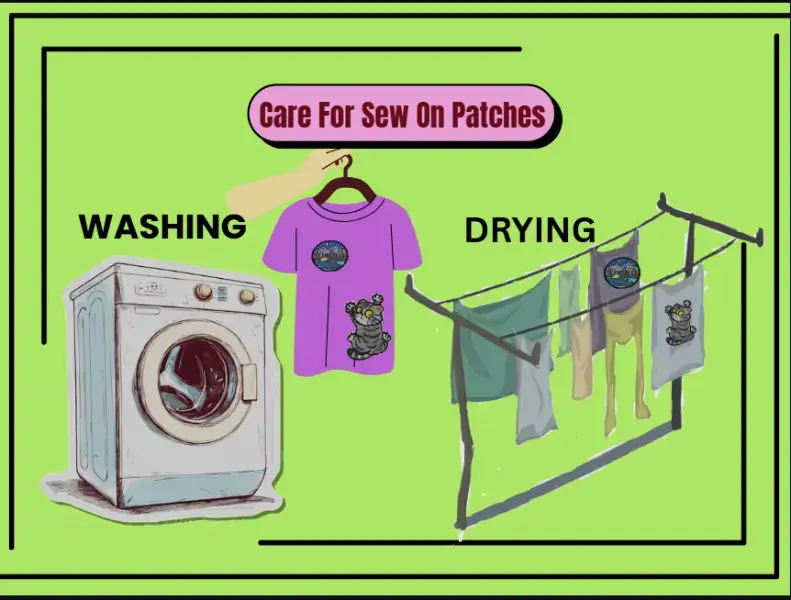
Most patches that fail early don’t fail because of bad stitching. They fail in the laundry — a hot wash here, a tumble dry there, and nobody connects it to the patch lifting a week later. The care is simple, but it varies slightly depending on the type of patch you have.
Different Patches, Different Needs
Embroidered Sew-On
Most forgiving:
Cold wash, gentle cycle, inside out. The thread holds well, but hot water shortens its life faster than anything else.
Avoid:
hot cycles, tumble drying on high, and ironing directly on the surface.
Iron-on
Most vulnerable:
Always cold water, always a gentle cycle. The adhesive weakens with heat; even warm water does quite a bit of damage over time.
Avoid:
warm or hot cycles, fabric softener near edges, wringing the garment.
Printed Patches
Fade fastest:
Cold wash and air dry away from direct sunlight. The colour goes quickly when exposed to heat and harsh detergents.
Avoid:
bleach-based detergents, drying in direct sun, and hot water.
Patches On Hats
Hand wash only:
No machine, no dryer. The hat structure warps easily — and once the brim goes, the patch follows.
Avoid:
machine washing, dryer heat, soaking for long periods.
Detergent Matters More Than People Think
Harsh detergents, anything with bleach, enzymes, or heavy brighteners, slowly break down thread and adhesive. A mild detergent is all you need for any garment with patches on it. It cleans just as well and doesn’t quietly eat away at the stitching after every wash.
Universal Rules For Every Patch Type
Turn the garment inside out before every wash to reduce direct friction on the patch surface.
Cold water, every time, heat is the single biggest enemy of both thread and adhesive.
Skip fabric softener near the patch; it breaks down edge stitching gradually.
Air dry when you can. If using a dryer, keep it to the lowest heat setting.
Never iron directly on a patch. Always place a cloth between the iron and the surface.
Store away from direct sunlight and humidity, as both fade colour and weaken the backing over time. You can learn DIY beaded keychain steps, but they might not require that much maintenance. You just need to handle them with care. However, when it comes to embroidered patches, labels, or keychains, extra caution is required.
A Simple Monthly Maintenance Routine
This takes under five minutes and genuinely extends the life of your patch, especially on items you wear regularly.
Check: Look at every edge and corner.
These are the first places to lift, on jackets, bags, and especially hats, where the fabric flexes constantly.
Feel: Run a finger along the border.
If any section feels loose or slightly raised, it needs a few stitches now, not after the next wash.
Fix: Re-stitch just the lifted section.
No need to remove the whole patch; a few tight stitches along the edge are all it takes to reset it.
Store: Fold away from the patch where possible.
Pressure and creasing along a patch edge over weeks add up, especially on thinner fabrics.
The gap between a patch that lasts two years and one that lasts ten isn’t skill; it’s habit. Small, consistent care beats any fancy technique every time.
Common Queries About Taking Care Of Patches
How long do sew-on patches last?
A properly sewn patch can last 8 to 10 years. Sometimes longer than the garment itself. The thread holds up through washing and daily wear far better than adhesive ever does. Care habits like cold washing and air drying push that lifespan even further.
Why does my patch keep lifting at the corners?
Corners are mostly affected by wear, folding, and washing. If they weren’t reinforced with extra stitches during application, they’re the first to go. Re-stitching just the lifted corner early is a two-minute fix that stops the whole patch from coming off.
Can I machine-wash clothes with sew-on patches?
Yes, but always cold water, gentle cycle, and inside out. Hot cycles and heavy agitation shorten thread life faster than most people expect. For patched hats specifically, hand washing is the safer choice every time.
Conclusion
Once these habits stick, maintaining a patch becomes second nature, the same as any other thing you actually take care of. And if this kind of hands-on attention to detail is something you enjoy, you’ll probably like our guide, where you can explore some effective ways to take care of your emblems and keep them looking fresh and crisp.

I’m the creative voice behind the blog at Embroidered Patches Canada, where I turn custom patch design into clear, practical insights for brands, teams, and creators. I provide tips on how to design embroidered patches that not only look spectacular but also have a lasting impact, covering everything from materials and stitch styles to advertising strategies and patch trends. I help companies, organisations, and individuals transform their ideas into elite custom patches that tell a story by providing in-depth instructions, trend updates, and professional advice.